
The Idolatry of the Unsinkable
The Wreck of the Titan, or FutilityPlaces the Titan's supposed invincibility as the central thematic irony, measuring human pride against the sea.
increasing Bearing strength in each event
 decreasing
Bearing strength in each eventdecreasingThe Design of Invincibility
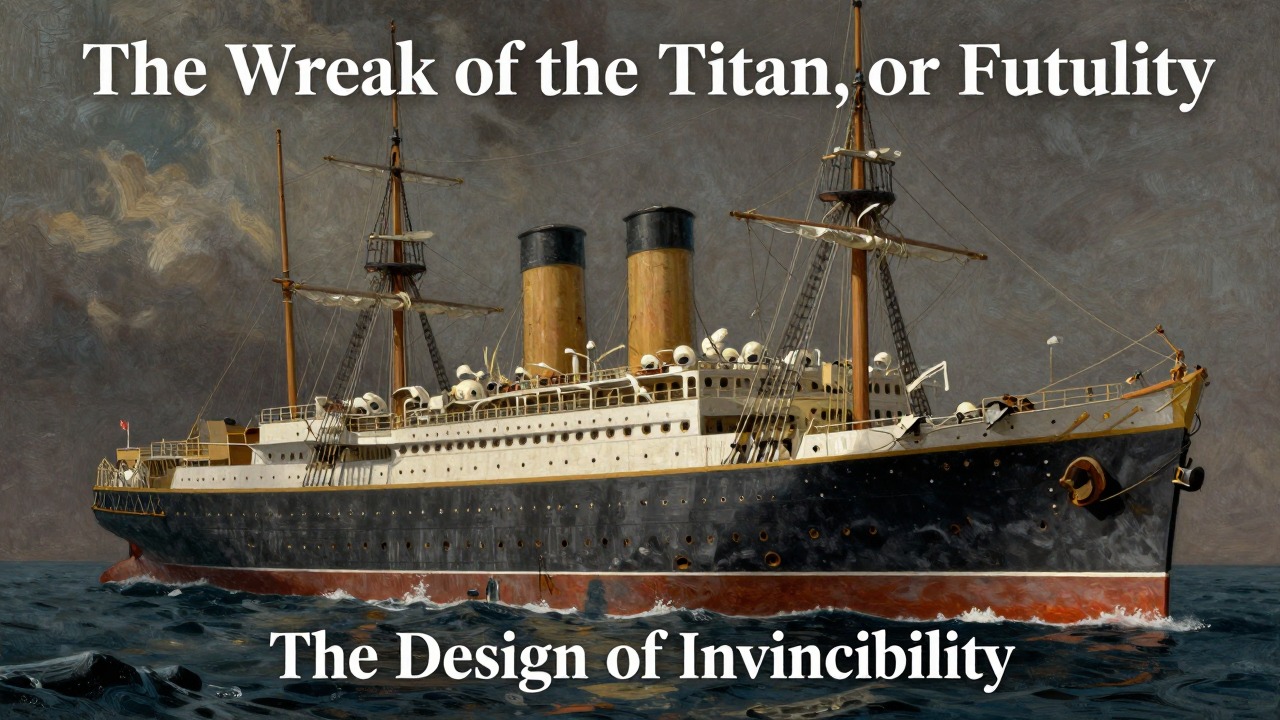
The Design of Invincibility
The Moment
The Titan is described as the largest craft afloat, built of steel, divided into nineteen watertight compartments, and able to float with nine flooded. She is called practically unsinkable.
Why It Matters
The word unsinkable is the novel's central irony. It represents humanity's belief that engineering can conquer the sea.
This pride is the foundation on which the tragedy is built.
A Rule Against Prudence
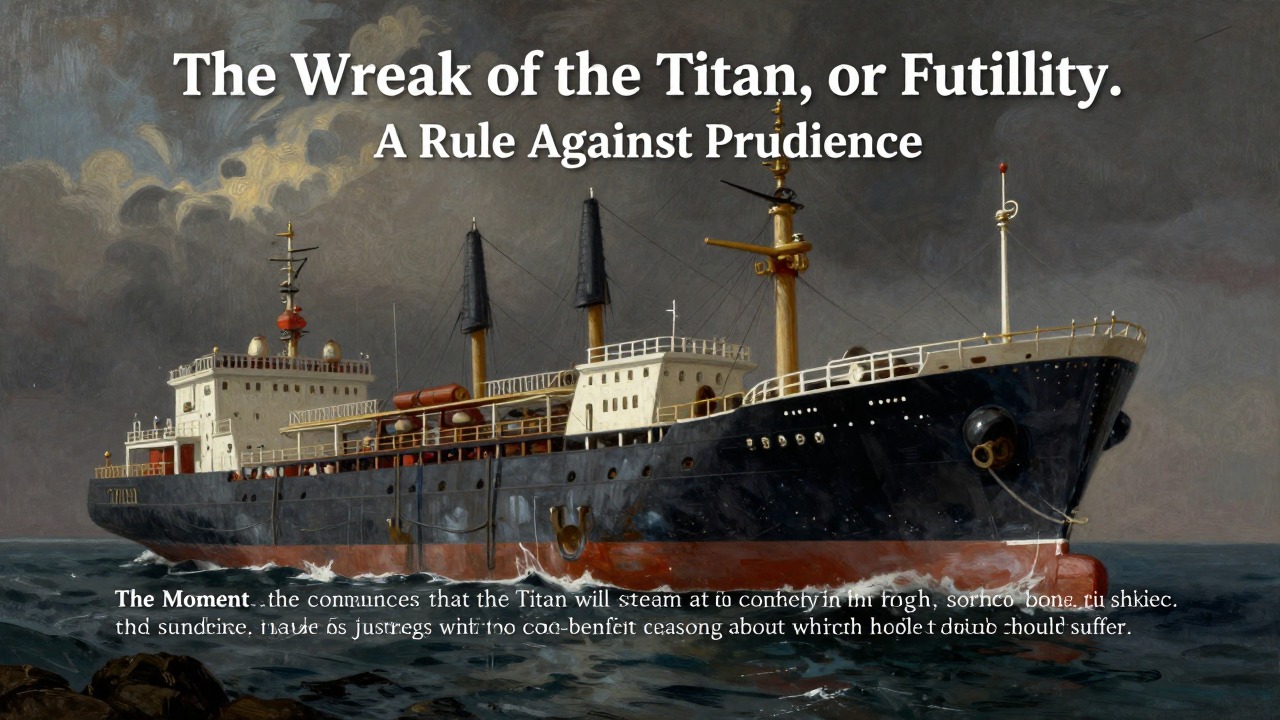
A Rule Against Prudence
The Moment
The company announces that the Titan will steam at full speed in fog, storm, and sunshine. The rule is justified with cost-benefit reasoning about which hull should suffer.
Why It Matters
The rule treats safety as a commodity to be traded against speed. The pride of the unsinkable ship expresses itself as institutional arrogance.
This is the ideology that the iceberg will punish.
The Indestructible Goes Down
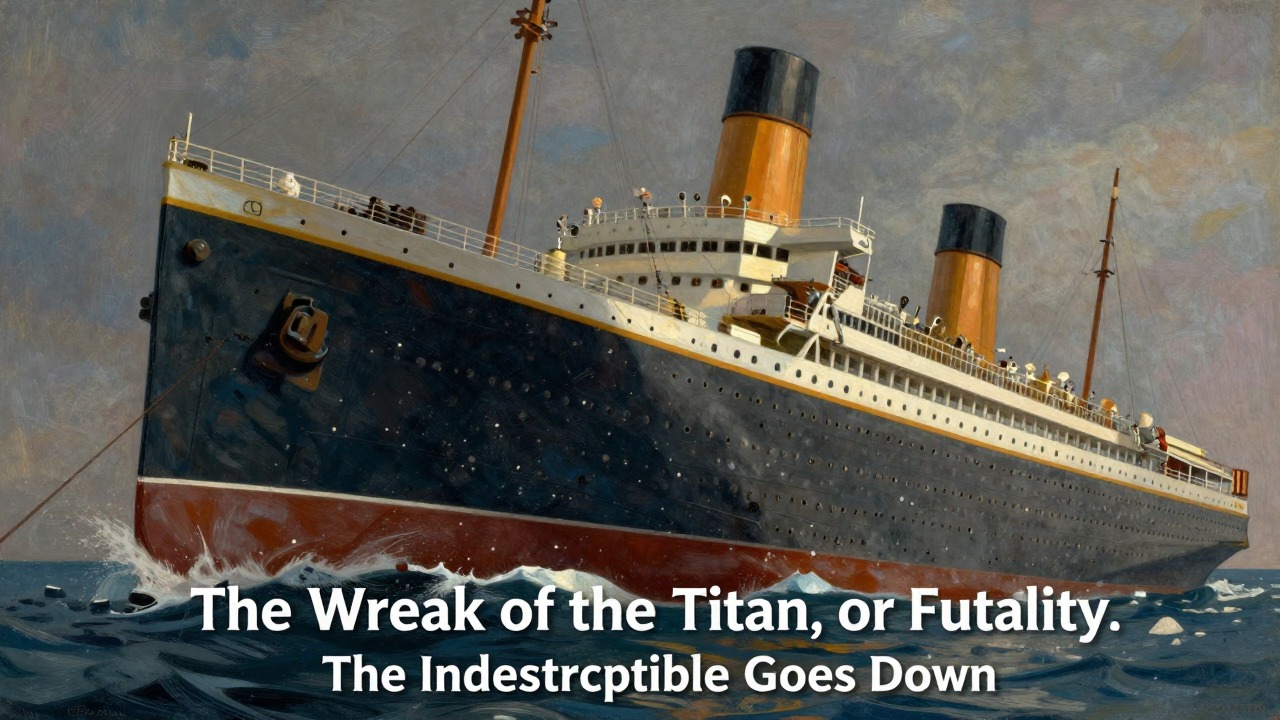
The Indestructible Goes Down
The Moment
The Titanic's bows lift on a low iceberg, her engines break loose, and she crashes onto her side. The invincible Titan becomes a dying monster.
Why It Matters
The destruction is described in mechanical detail, undercutting all the earlier talk of unsinkability. The ship does not simply sink; she is overwhelmed by the ice.
This is the thematic climax of human pride meeting natural force.
Twenty-Four Boats
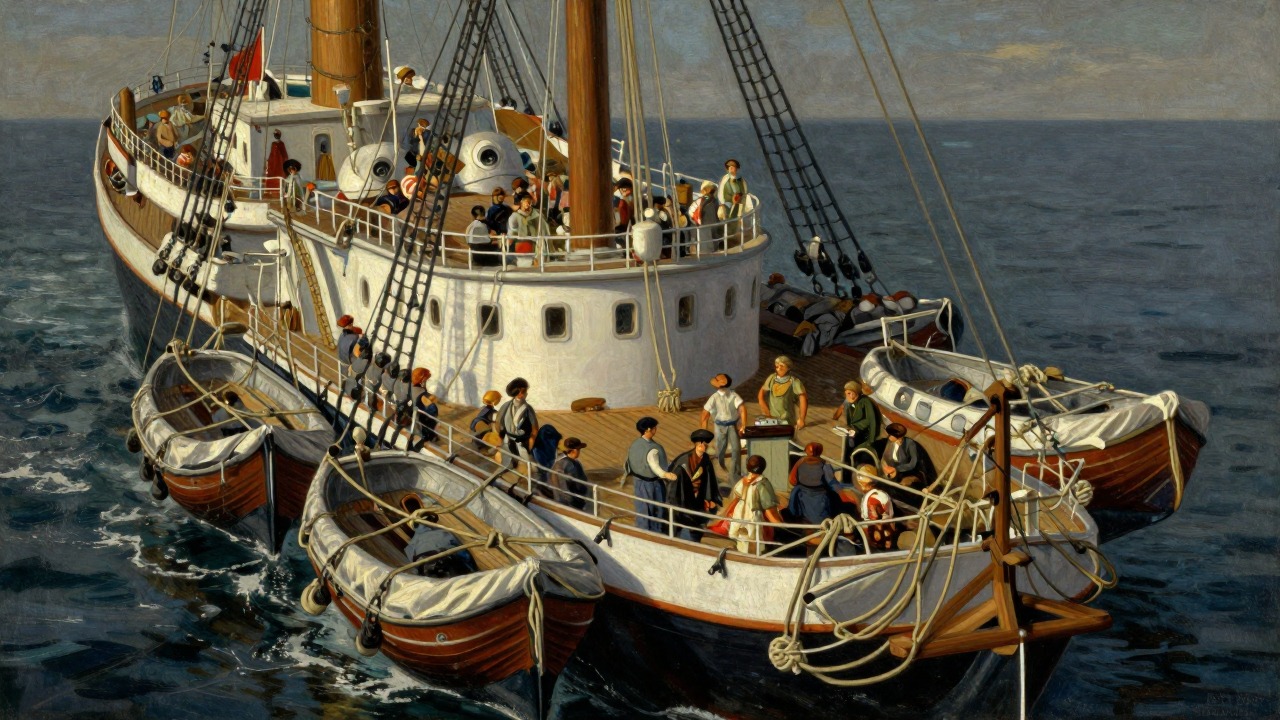
Twenty-Four Boats
The Moment
The Titan carries twenty-four boats that could hold five hundred people, though the ship has berths for three thousand. The boats are lashed down and covered.
Why It Matters
The insufficiency of the lifeboats is the physical proof that the company believed its own unsinkable propaganda. The laws are satisfied, but the laws are worthless.
The theme shifts from pride to its fatal consequence: mass death caused by inadequate preparation.
The Epitaph on a Bulletin
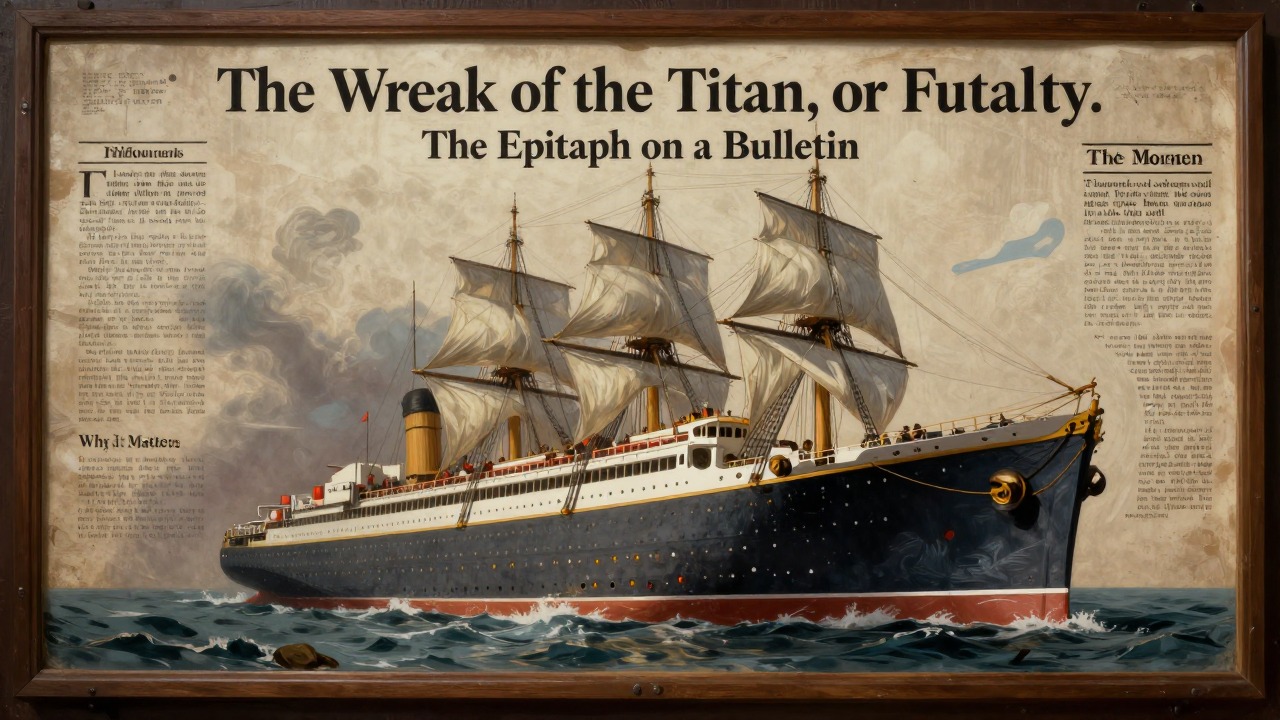
The Epitaph on a Bulletin
The Moment
At Lloyds, the destruction of the Titan is announced in a sing-song cry. The invincible ship is reduced to a line on a bulletin board.
Why It Matters
The financial world consumes the disaster as news and as money. The unsinkable ship becomes a symbol of human fallibility.
The final irony is that the idea of unsinkability survives only in the lesson no one wants to learn.
before the maiden arrival in the narrative
announced before departure
second night out
during the sinking
after the wreck at Lloyds
